Hormone-related medicines

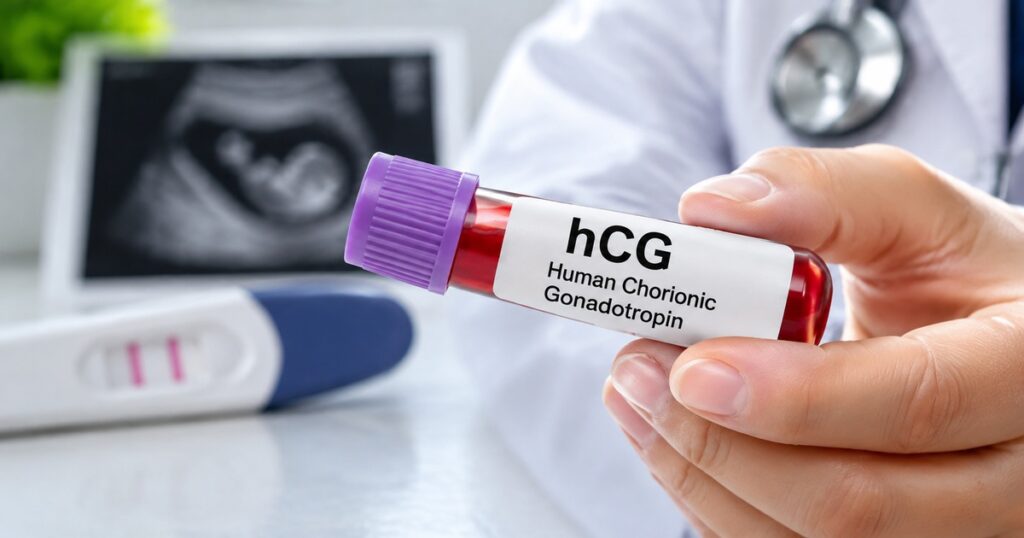
HCG hormone blood test showing human chorionic gonadotropin levels

Human Chorionic Gonadotropin (hCG): Medical Uses and Precautions

Understanding what is HCG helps explain an important hormone involved in pregnancy, reproductive function, and selected hormonal treatments. Human chorionic gonadotropin (hCG) is a glycoprotein hormone naturally produced by placental tissue during pregnancy. In clinical practice, pharmaceutical hCG has established applications in selected fertility treatments and certain hormonal conditions in men. Its biological activity is

Human Chorionic Gonadotropin (hCG): Medical Uses and Precautions Read More »

Woman jogging along a tree-lined park path beside a lake in natural morning light.

Aromatase Inhibitors vs SERMs: Mechanisms and Clinical Differences

Understanding aromatase inhibitors vs SERMs begins with how each medication interacts with estrogen pathways. Both classes influence estrogen-related activity, but they act at different points within the hormonal system. Aromatase inhibitors reduce estrogen production by blocking the aromatase enzyme. Selective estrogen receptor modulators, commonly called SERMs, interact with estrogen receptors and produce tissue-dependent effects. At

Aromatase Inhibitors vs SERMs: Mechanisms and Clinical Differences Read More »

Clomiphene uses and side effects illustrated with a reproductive system model and ovulation tracking materials for Vpharma Lab.

Clomiphene: Medical Uses, Mechanism, and Side Effects

Clomiphene uses and side effects are important topics when examining fertility treatment and hormone-related medicines. Clomiphene citrate is an oral medication that influences estrogen signaling and can stimulate ovulation in women with certain types of ovulatory dysfunction. Its effects on hormonal regulation have also led to clinical interest in other reproductive health contexts. However, the

Clomiphene: Medical Uses, Mechanism, and Side Effects Read More »